Collet Register earns referral commissions from qualifying purchases through our links at no additional cost to you. Read our affiliate earnings & merchant referral policy
Removing watch hands requires precision, the right mechanical leverage, and absolute protection for the delicate dial underneath. A single slip can scratch a sunburst finish, bend a pivot, or crack vintage enamel. Choosing between a plunger-style tool, a dedicated hand-removal press, or manual lifting levers depends on the complexity of your watch repair workflow and how frequently you service movements.
Anatomy of Watch Hand Removal
Watch hands—hours, minutes, and seconds—are friction-fitted onto delicate brass pipes and pinions. To pull them off safely, you need upward force applied evenly and parallel to the axis of the hand tubes. Uneven pressure can snap pivots or score the dial face. This is why specialized extractors are paired with plastic or card-stock dial protectors, which slide under the hands to form a physical barrier between the tool feet and the dial.
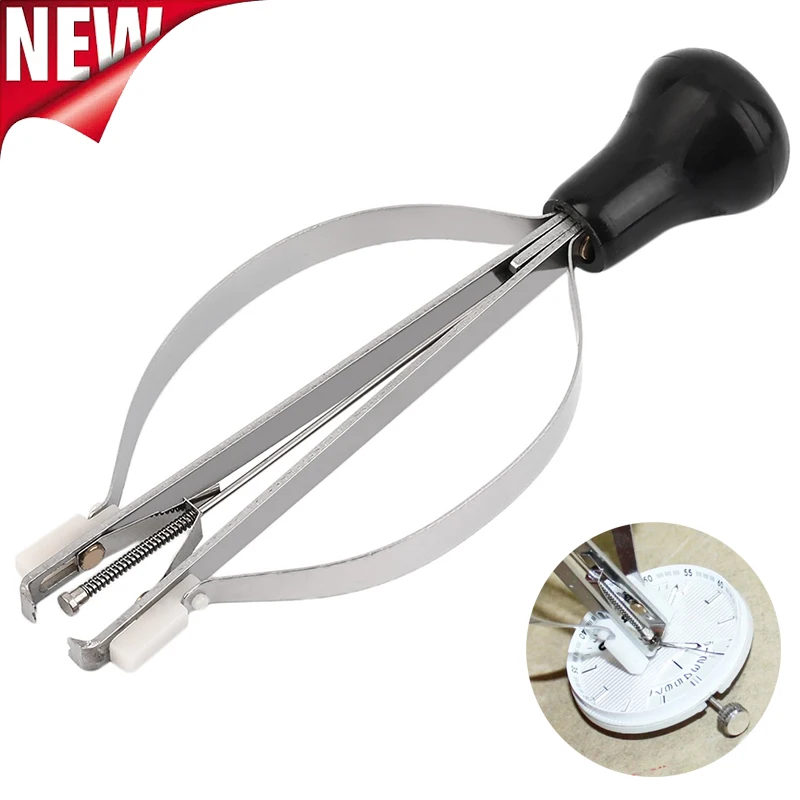
The classic Presto-style plunger tool (such as the Winston Watch Band Store remover) utilizes spring-loaded plunger action. When you press down on the lateral wings, the spring-loaded plunger descends to push the center arbor down while the cushioned side tabs lift the hand upward in one controlled motion. It is fast and efficient for standard three-hand wristwatches, though it demands a steady hand to align the tips without grazing the minute track.
Manual Levers vs. Plunger Machines
For independent watchmakers and hobbyists working on varied calibers, manual hand-removal levers offer a different tactile approach.
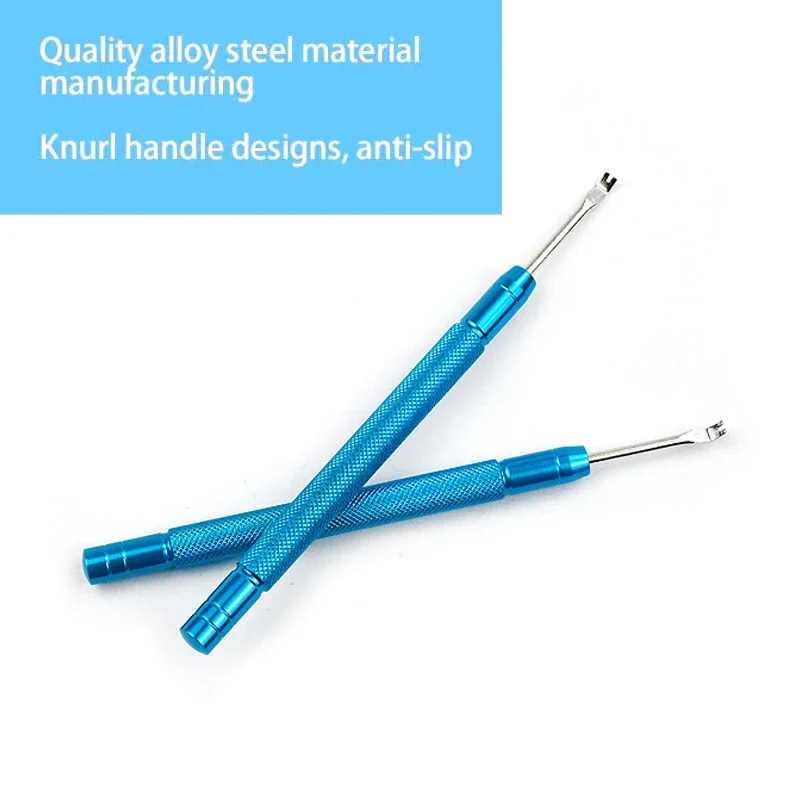
Alloy steel manual levers, like the two-piece sets from Stone's Store, slide underneath the cannon pinion or hand hub from opposite sides. By rocking the balanced wedge-shaped tips gently against a protective dial shield, you leverage the hands upward manually. This method grants absolute visibility and control over each individual hand—crucial when dealing with delicate chronograph sub-dials or vintage sweep seconds where automated plungers might lack spatial clearance.
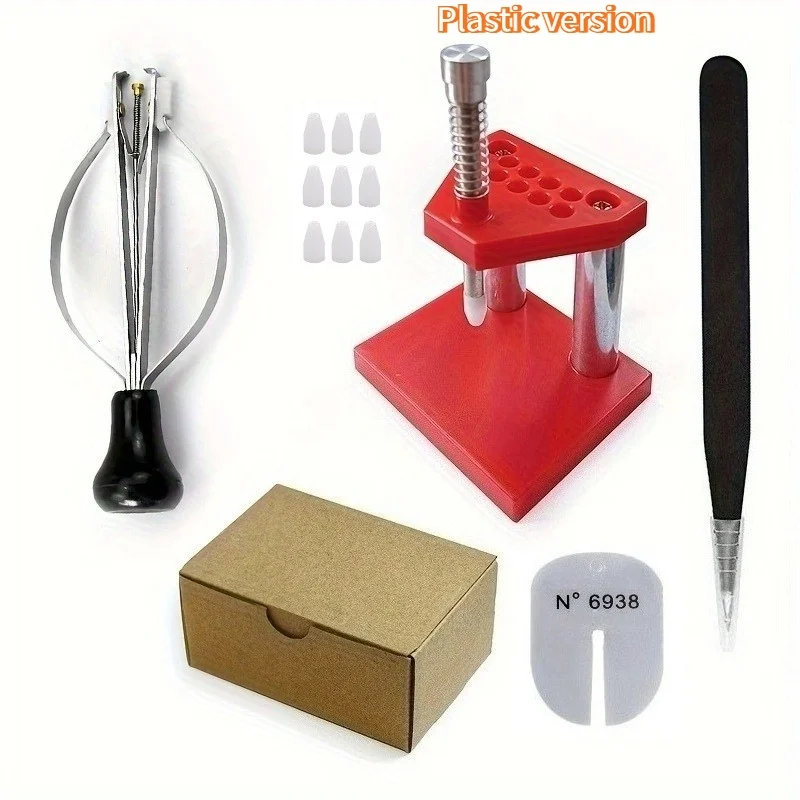
Comprehensive workstation kits, such as the red press setup also offered through Stone's Store, incorporate specialized vertical plunger presses alongside dial protectors and tweezers. These benchtop units restrict movement to a strict vertical plane, reducing the risk of angular torque that can warp slender shafts.
Best Practices for Protecting Your Dials
No matter which tool you select, safeguarding the dial is non-negotiable. Follow these steps to ensure clean extractions:
- Always use a dial protector: Slide a plastic or card-stock slot protector underneath the hour hand right before extraction. If your tool slips, the protector takes the impact instead of your dial markers or paint.
- Lift concurrently when possible: For multi-hand setups, remove the sweep second hand first, followed by the minute and hour hands. Attempting to pull all layers at once increases friction resistance and risk of damage.
- Check jaw alignment: Inspect the contact tips of plunger tools regularly. Worn or asymmetric jaws can catch unevenly, twisting the hand tube.
If you are expanding your bench toolkit for a complete teardown, you may also want to review our guide on Comparing Watch Case Openers: Adjustable Wrenches, Pry Knives, and Friction Tools to ensure safe entry into the movement housing before tackling the hands.